

Farming Without Soil
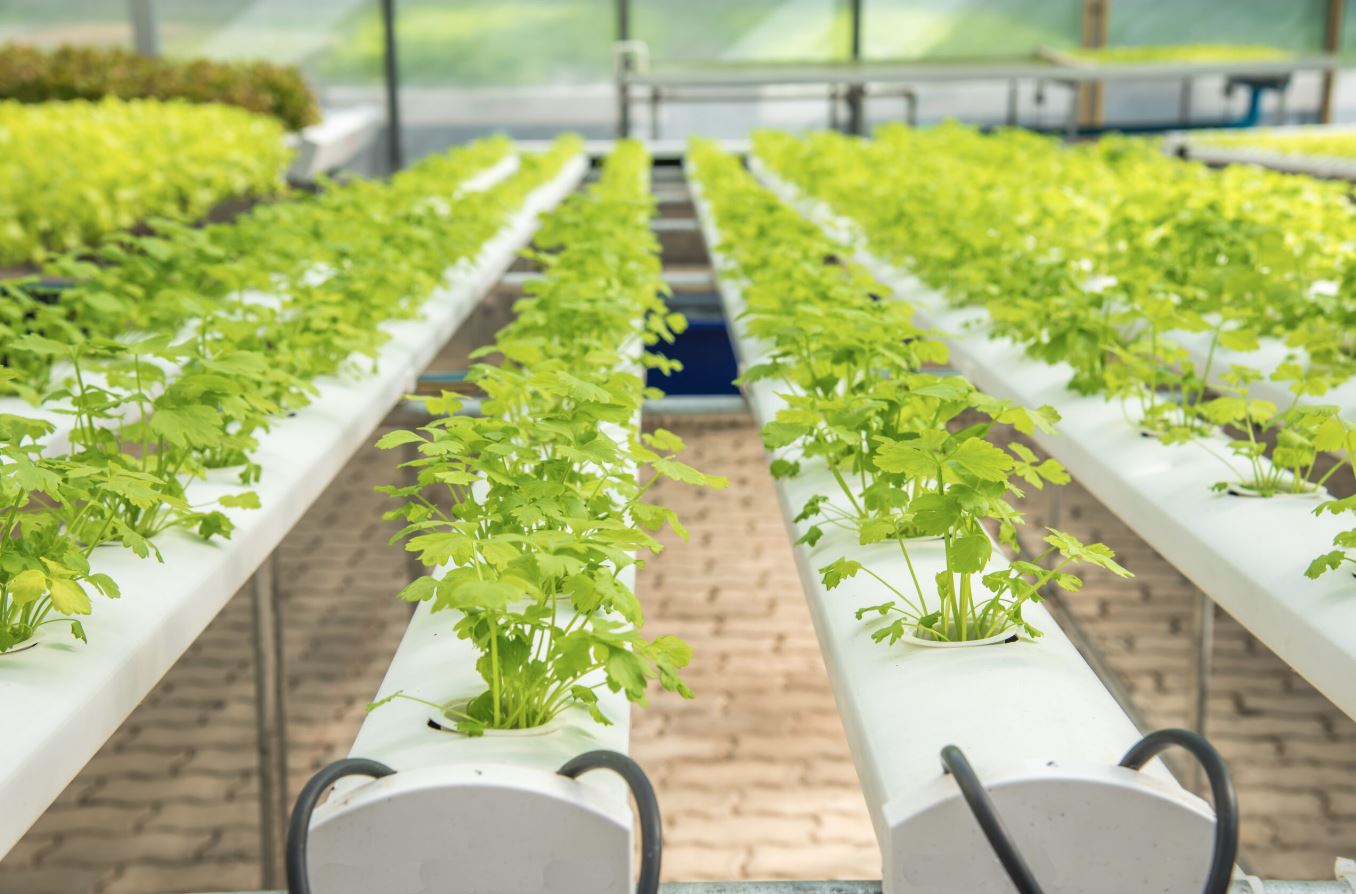
Understanding the Science, Systems, and Sustainability of Hydroponic Agriculture
The Evolution of Soil-Free Cultivation
Hydroponics, the practice of growing plants without soil, represents one of the most significant shifts in the history of agriculture. Its origins date back thousands of years, with early examples such as the Hanging Gardens of Babylon and the floating gardens of the Aztecs. These ancient systems demonstrated that plants could thrive with their roots suspended in water or inert materials, provided they received the right balance of nutrients and oxygen. Modern hydroponics builds on these early insights through a scientific understanding of plant physiology and nutrient dynamics.
The rise of hydroponics began in earnest during the twentieth century, when scientists sought ways to produce food efficiently in limited environments. During World War II, hydroponic systems were used to grow fresh vegetables on remote islands where fertile soil was unavailable. In the decades that followed, hydroponics expanded into commercial production, urban farming, and research applications. Today, it is a cornerstone of controlled environment agriculture, combining biology, engineering, and sustainability to redefine how humans grow food.
The Principles Behind Hydroponic Growth
At its core, hydroponics relies on the principle that plants do not need soil to grow, but rather the nutrients that soil provides. In a hydroponic system, these nutrients are dissolved in water, creating a balanced solution that plants can absorb directly through their roots. This method eliminates many inefficiencies of traditional farming by providing precise control over nutrient delivery, pH levels, and environmental conditions. As a result, plants grow faster, yield more, and experience fewer stresses related to pests or nutrient deficiency.
Hydroponics also optimizes the plant’s access to oxygen. In soil-based systems, poor drainage can suffocate roots, while in hydroponics, oxygenation is carefully maintained through aeration and circulation. This ensures that roots have constant access to the gases they need for respiration. Because the system is closed and self-contained, it requires significantly less water than conventional irrigation. Every drop is recycled, making hydroponics one of the most water-efficient methods of cultivation known to modern science.
Different Types of Hydroponic Systems
Hydroponics is not a single technique but a family of systems that share the same basic principle of soil-free growth. Each system offers unique advantages depending on scale, crop type, and available resources. One of the simplest and most widely used methods is the Nutrient Film Technique, or NFT. In this design, a thin film of nutrient-rich water flows continuously over the roots of plants housed in channels. The constant flow provides oxygen and nutrients, while preventing stagnation and disease.
Another popular system is Deep Water Culture, where plants are suspended above a reservoir of nutrient solution, and their roots are submerged directly into the water. Air stones or diffusers oxygenate the liquid, keeping roots healthy and active. The Ebb and Flow system, also known as flood and drain, periodically fills and drains a growing tray, allowing roots to absorb nutrients and then dry slightly, promoting aeration. Aeroponics takes the concept further by misting roots with a fine nutrient spray, achieving maximum oxygen exposure and nutrient absorption. Each approach demonstrates the versatility and adaptability of hydroponic science.
The Role of Growing Media in Hydroponics
Although hydroponics eliminates soil, most systems still require a medium to anchor plants and support root structure. These growing media are inert, meaning they provide no nutrients of their own, but they help retain moisture and oxygen around the roots. Common materials include coconut coir, perlite, vermiculite, and rockwool. Coconut coir, derived from the husk of coconuts, is favored for its sustainability and excellent water retention. Perlite, a volcanic glass expanded by heat, offers superior aeration and drainage.
The choice of growing medium depends on the system design and the crop being grown. For example, heavy fruiting plants like tomatoes and peppers benefit from stable media like rockwool, while leafy greens thrive in lighter substrates that drain quickly. Proper sterilization and maintenance of media are crucial to prevent the buildup of pathogens. Because hydroponic systems are highly controlled environments, even small imbalances can affect plant performance. The growing medium, though inert, plays an essential role in maintaining that delicate balance between air, water, and nutrients.
Nutrient Management and Water Chemistry
The success of hydroponic farming relies on precise nutrient management. Plants require a balanced diet of macronutrients and micronutrients, including nitrogen, phosphorus, potassium, calcium, magnesium, and trace elements like iron and zinc. In hydroponics, these nutrients are delivered in exact concentrations, tailored to each growth stage. For instance, young plants need more nitrogen for leafy growth, while fruiting crops require higher potassium and phosphorus levels for flower and fruit development.
Water quality and pH are equally important. Most crops thrive at a pH between 5.5 and 6.5, where nutrients are most available for absorption. If the pH drifts too high or too low, nutrient uptake can be inhibited, leading to deficiencies even when nutrients are present. Regular testing and adjustment ensure stability. Many hydroponic systems use automated sensors and dosing pumps to maintain consistency. These technologies reduce human error and optimize growing conditions, making hydroponics a data-driven practice that combines science with precision engineering.
Advantages of Hydroponic Farming
The benefits of hydroponics extend far beyond faster growth and higher yields. One of the most significant advantages is resource efficiency. Hydroponics uses up to ninety percent less water than traditional farming because it recycles nutrient solutions instead of allowing them to evaporate or run off. This makes it particularly valuable in arid regions or urban areas where water is scarce. Hydroponic systems also require less land, as plants can be stacked vertically in controlled environments, multiplying productivity per square meter.
Because hydroponics operates in enclosed systems, it drastically reduces the need for pesticides and herbicides. Pests and weeds are easier to manage, and disease outbreaks can be isolated and controlled quickly. The absence of soil eliminates many common pathogens, making hydroponics one of the cleanest forms of agriculture. Furthermore, it allows for year-round production regardless of season, providing a consistent food supply and stable income for growers. In a world where food security is increasingly uncertain, hydroponics offers both reliability and resilience.
Challenges and Limitations of Hydroponics
Despite its many advantages, hydroponic farming is not without challenges. The initial setup costs can be high, particularly for systems that require advanced sensors, lighting, and climate control. Energy consumption is another concern, especially in large-scale indoor farms that rely on artificial lighting. Balancing the environmental benefits of water conservation with the energy demands of technology remains an ongoing challenge for researchers and practitioners.
Hydroponics also requires technical expertise and constant monitoring. Small errors in nutrient formulation or water management can have immediate consequences, as plants rely entirely on the system for survival. Power outages or equipment failures can quickly lead to crop loss. Additionally, some critics argue that hydroponic produce lacks the complexity of flavor found in soil-grown crops, though advancements in nutrient formulation and lighting are gradually addressing this issue. Overcoming these limitations requires innovation, education, and collaboration between scientists and farmers.
Urban Farming and the Future of Food Production
Hydroponics has become a cornerstone of urban agriculture, transforming how cities produce food. By integrating vertical farming and controlled environment technology, hydroponics allows crops to be grown in warehouses, rooftops, and even shipping containers. These farms reduce transportation distances, providing fresh produce directly to urban consumers. This local model reduces carbon emissions and enhances food security by decentralizing production.
Urban hydroponic farms also contribute to social and educational initiatives. Schools and community centers use small hydroponic systems to teach sustainability and nutrition. Entrepreneurs develop scalable models that combine technology with community empowerment. As urban populations continue to grow, hydroponics offers a solution to limited space and increasing demand. It represents a future where agriculture coexists with architecture, turning cities into living ecosystems capable of feeding their inhabitants sustainably.
The Next Generation of Hydroponic Innovation
The future of hydroponics lies at the intersection of science, sustainability, and technology. Emerging fields such as artificial intelligence, robotics, and biotechnology are expanding the boundaries of what hydroponic farming can achieve. AI-driven systems analyze real-time data to predict plant needs, while robotics automate planting and harvesting. Research into microbial interactions within nutrient solutions is revealing new ways to boost growth naturally without synthetic additives. These innovations promise to make hydroponics more efficient, accessible, and environmentally responsible.
As climate change continues to challenge global agriculture, hydroponics stands as a symbol of adaptability and hope. It demonstrates that food production can evolve beyond the constraints of geography and soil quality. With continued research and collaboration, hydroponics can provide fresh, nutritious food to communities everywhere, from dense urban centers to remote deserts. The story of hydroponics is not merely about growing plants in water, but about reimagining the relationship between technology, nature, and human survival in the twenty-first century.