

Green Cities, Rooted Futures
The Synergy Between Urban Farming and Agroforestry in Building Sustainable Urban Landscapes
The Rise of Urban Farming and Its Global Importance
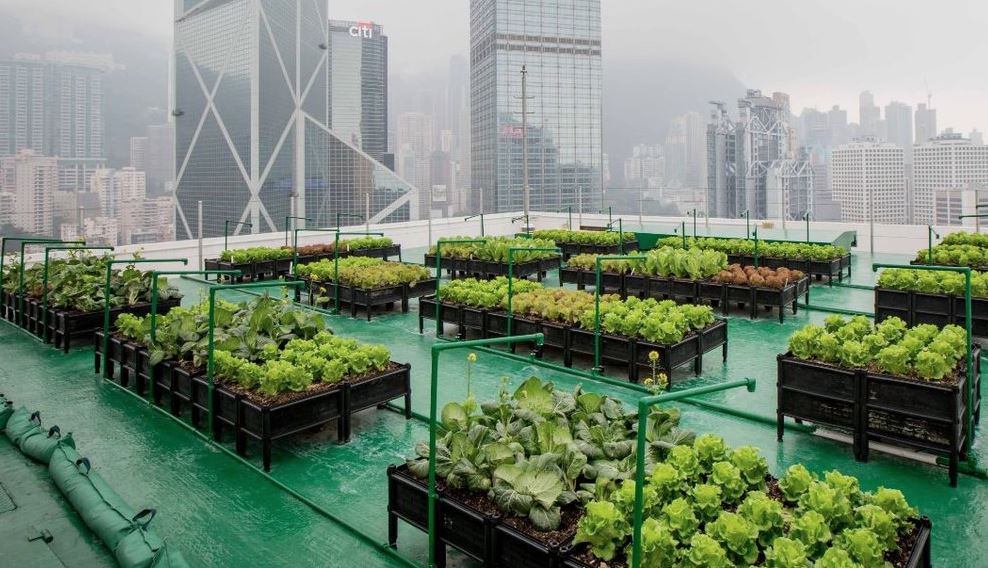
Urban farming has become a cornerstone of modern sustainability efforts, transforming the way cities interact with food production and ecological balance. Once thought impossible in concrete jungles, agriculture is now finding innovative spaces within rooftops, balconies, and abandoned lots. As global populations continue to migrate toward urban centers, the need for localized food systems becomes more urgent. Urban farming addresses this need by producing fresh, nutritious food close to where people live, reducing transportation emissions and strengthening community resilience. It represents a paradigm shift from dependency on distant farms to self-reliant and environmentally conscious cities.
The rapid expansion of urban agriculture is a response to multiple crises, including food insecurity, pollution, and loss of green spaces. By integrating cultivation into urban design, cities create micro-ecosystems that improve air quality, regulate temperature, and reconnect citizens with nature. Urban farming comes in many forms, from small-scale community gardens to high-tech vertical farms that use hydroponic or aquaponic systems. Regardless of scale, its goal remains the same: to make urban environments more sustainable and livable. The benefits are social as well as environmental, fostering collaboration, education, and awareness about the origins of food and the role of agriculture in human life.
Agroforestry as an Ecological Bridge Between Agriculture and Forestry
Agroforestry combines the cultivation of trees, crops, and sometimes livestock within the same landscape, creating systems that mimic natural ecosystems. This method enhances biodiversity, improves soil fertility, and stabilizes microclimates. In contrast to conventional monocultures, agroforestry promotes harmony between different species, allowing them to support one another through complex biological interactions. Trees provide shade, reduce wind erosion, and contribute organic matter to the soil, while crops benefit from improved moisture retention and nutrient cycling. Livestock, when integrated, further enrich the system by contributing manure and assisting in land management.
Although agroforestry has been practiced for centuries in rural settings, its integration into urban and peri-urban environments is a relatively new concept. In cities, agroforestry can take the form of food forests, green corridors, and community orchards. These living systems not only supply fruits, nuts, and vegetables but also serve as natural carbon sinks. The aesthetic and ecological value of urban agroforestry is immense, offering shade, habitat for wildlife, and mental health benefits for city dwellers. By merging the principles of forestry and agriculture, this approach provides a blueprint for regenerative land management in both rural and urban contexts.
The Intersection of Urban Farming and Agroforestry
Urban farming and agroforestry may appear distinct at first glance, yet their philosophies align closely. Both aim to restore ecological balance and strengthen local food systems through sustainable practices. When combined, they create a holistic model of urban resilience that addresses environmental, social, and economic challenges simultaneously. Urban agroforestry can transform unused or degraded urban spaces into productive green zones that provide food, shade, and biodiversity. Trees and perennial crops planted alongside vegetables and herbs form multi-layered ecosystems that optimize space and resources while improving air quality.
Integrating these two approaches requires careful design and community involvement. Rooftop orchards, edible streetscapes, and agroforestry-inspired parks exemplify how this synergy can reshape urban environments. Each element serves a function, whether it is soil regeneration, water conservation, or carbon sequestration. Moreover, these projects bring people together, offering educational opportunities and a sense of shared purpose. The collaboration between urban farmers, landscape architects, and local authorities is vital to ensure that such systems are well-planned, sustainable, and accessible to all. Together, urban farming and agroforestry form a vision of cities that grow food while nurturing life.
Design Principles and Implementation Strategies
Designing effective urban agroforestry systems involves balancing ecological integrity with human needs. The first step is understanding the unique constraints and opportunities of the urban landscape. Space is often limited, so vertical layering becomes essential. Canopy trees can coexist with smaller shrubs, ground crops, and root vegetables in carefully planned arrangements that mimic forest structures. Species selection plays a critical role. Native and drought-tolerant plants are preferred for their adaptability and low maintenance requirements. In some cases, fruit-bearing species such as figs, citrus, or moringa are chosen for both their nutritional and environmental benefits.
Water management is another crucial component. Rainwater harvesting systems, permeable pavements, and greywater recycling help maintain soil moisture and reduce dependence on external water sources. Composting and organic waste recycling close nutrient loops within the system, transforming urban waste into valuable fertilizer. In densely populated areas, rooftop gardens and vertical agroforestry installations can make efficient use of space. The involvement of local communities, schools, and businesses ensures that these systems are maintained and valued. When designed thoughtfully, urban agroforestry becomes an integral part of city planning rather than an isolated green project.
Social and Economic Dimensions of Urban Agroforestry
The benefits of merging urban farming with agroforestry extend far beyond environmental restoration. Economically, these systems create opportunities for entrepreneurship and local employment. Farmers’ markets, farm-to-table restaurants, and small-scale processing enterprises thrive when local food production flourishes. Urban agroforestry also attracts tourism and investment, as cities that prioritize green spaces are often seen as healthier and more progressive. For low-income communities, access to local produce reduces dependence on expensive or imported food and enhances food sovereignty. The ability to grow and sell food within city limits empowers residents to take control of their nutrition and livelihoods.
Socially, these initiatives build community resilience. Shared gardens and food forests bring people from diverse backgrounds together, fostering cooperation and trust. They provide educational opportunities, teaching children and adults about ecology, sustainability, and nutrition. In some cities, urban agroforestry has even become a tool for rehabilitation, offering therapy and employment to marginalized populations. Green spaces contribute to mental well-being, reducing stress and encouraging physical activity. As cities face increasing challenges related to inequality and disconnection, the simple act of planting and nurturing trees offers a path toward unity and renewal.
Environmental Benefits and Climate Mitigation
The environmental impact of urban agroforestry is profound. Trees and plants play a vital role in mitigating climate change by capturing carbon dioxide and releasing oxygen. Urban green zones reduce the heat island effect, making cities cooler and more comfortable. They also improve stormwater management by absorbing rainfall and preventing flooding. The root systems of trees stabilize soil, preventing erosion and filtering pollutants from runoff. In addition, urban agroforestry supports pollinators, birds, and other wildlife, restoring biodiversity in environments that are often dominated by concrete and steel.
By producing food locally, urban agroforestry reduces the energy and emissions associated with long-distance transportation and refrigeration. Waste reduction is another key advantage. Organic matter generated by gardens and kitchens can be composted and reused, closing resource loops that are typically linear in industrial food systems. These ecological functions make urban agroforestry an essential component of climate adaptation strategies. As global temperatures rise and weather patterns become more unpredictable, cities equipped with green infrastructure will be better prepared to sustain their populations and ecosystems.
Technology and Innovation in Urban Agroforestry
Modern technology has expanded the possibilities of urban farming and agroforestry. Smart sensors monitor soil moisture, nutrient levels, and weather conditions, allowing precise management of resources. Automated irrigation systems ensure that plants receive the right amount of water at the right time. Vertical farming systems integrate hydroponic or aeroponic techniques, enabling year-round production in minimal space. Artificial intelligence and data analytics help optimize planting schedules, pest control, and harvest planning. These innovations make urban agriculture more efficient and scalable, transforming it into a key player in future food systems.
Digital platforms also play a critical role in connecting urban farmers with consumers and investors. Apps that map local food sources, manage community plots, or facilitate direct sales make participation in urban agroforestry easier for citizens. Renewable energy technologies, such as solar-powered greenhouses and wind-driven ventilation systems, enhance sustainability. The combination of ancient wisdom and modern innovation creates a powerful model for regenerative urban living. As technology continues to evolve, it will further integrate nature into the heart of cities, making them not just centers of consumption but also centers of production and renewal.
The Future of Green Urban Landscapes
The convergence of urban farming and agroforestry represents a hopeful vision for the future of cities. In a world facing rapid urbanization, resource scarcity, and climate uncertainty, these practices offer practical and ethical solutions. They transform cities into living ecosystems where humans coexist with nature in balance rather than opposition. The expansion of urban agroforestry requires collaboration between governments, architects, scientists, and citizens. Policies that support land access, education, and green infrastructure investment will determine how far this movement can grow.
The future city may not be defined by towering skyscrapers alone but by the forests, gardens, and farms that fill the spaces between them. As people rediscover their connection to the soil, they also rediscover their responsibility to the planet. The green city of tomorrow will not only feed its inhabitants but also inspire them to live in harmony with the world around them. Through the integration of urban farming and agroforestry, humanity can cultivate a new kind of prosperity, one rooted in diversity, sustainability, and respect for life itself.