

Roots of Continuity
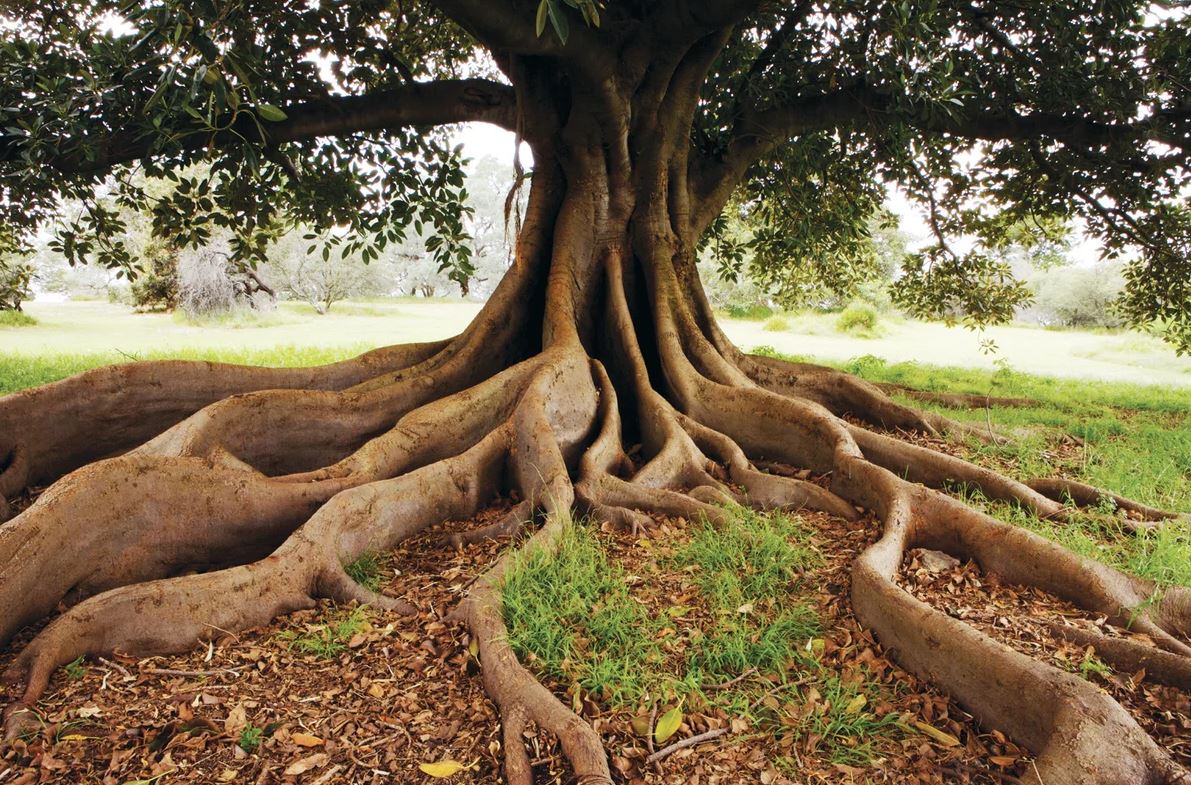
Sustainable Practices Are Reshaping the Future of Agriculture and Human Resilience
The Shift Toward Regeneration
For centuries, the concept of progress was built on extraction. Civilizations measured their strength by how much they could harvest, mine, or construct. This approach produced remarkable advances, but it also left behind depleted ecosystems and unstable climates. A new chapter has begun, one that redefines growth as the ability to sustain and restore. Sustainability is not a trend but an evolution in human thinking, a movement that connects every field, forest, and city to a shared responsibility for endurance.
Regenerative agriculture stands at the heart of this transformation. Instead of exhausting soil through repetition and chemicals, it replenishes nutrients through organic matter and diversity. Farmers around the world are reviving old methods and pairing them with modern science to maintain productivity without sacrificing ecological health. These practices recognize that soil is not an inert substance, but a living foundation that supports every chain of life above it. When the soil thrives, entire communities thrive with it.
The Hidden Network Beneath Our Feet
The ground that supports us is alive with a microscopic community of fungi, bacteria, and roots. This underground web functions as nature’s information system, distributing nutrients and maintaining balance across ecosystems. For generations, farming practices like over-tilling and excessive fertilizer use disrupted this delicate structure. Regenerative farming seeks to restore it, relying on compost, cover crops, and minimal disturbance to encourage the return of healthy biodiversity.
Healthy soil also plays a key role in climate regulation. It absorbs and stores carbon dioxide, transforming the ground into a natural carbon sink. The restoration of one hectare of farmland can sequester tons of carbon each year while increasing fertility and water retention. Through these natural cycles, the earth heals itself when given the chance. Humanity’s task is not to dominate these systems but to nurture them, ensuring that the planet remains fertile for future generations.
Water as a Sacred Resource
Water connects every form of life, yet it remains one of the most misused resources on Earth. In agriculture, traditional irrigation often wastes more than half of what is withdrawn from rivers and aquifers. Sustainable water management turns that waste into wisdom. Precision irrigation, rainwater harvesting, and soil moisture sensors help farmers use exactly what they need and nothing more. This reduces strain on natural reserves and ensures that freshwater remains available for communities, ecosystems, and wildlife.
Beyond technology, water sustainability depends on restoring natural landscapes. Forests, wetlands, and mangroves act as reservoirs that regulate floods and store groundwater. When these ecosystems are restored, they create self-sustaining hydrological cycles that protect entire regions from drought and disaster. Water is not simply a resource; it is a relationship that must be maintained with care, foresight, and respect for the balance it sustains.
Energy in Harmony with the Land
Modern agriculture has long depended on fossil fuels for power, transport, and fertilizer production. This dependence makes the food system vulnerable to climate shifts and economic fluctuations. Renewable energy provides a sustainable alternative. Solar panels now power irrigation pumps, and biogas systems convert organic waste into fuel for rural communities. These solutions do more than reduce emissions; they create self-sufficiency for farmers who once relied entirely on imported energy.
Wind and solar cooperatives are transforming rural economies. Farmers lease small sections of land for renewable installations and receive income while continuing to grow crops. Communities are also forming microgrids that allow them to produce and share power locally. This integration of food and energy systems marks a step toward independence, stability, and resilience. It proves that sustainability is not only ecological but also social and economic.
The Rise of Urban Agriculture
Urbanization once symbolized the separation between humanity and nature. Now, cities are becoming laboratories for sustainable living. Rooftop gardens, vertical farms, and hydroponic systems transform urban spaces into productive ecosystems. These innovations reduce food transportation distances, minimize waste, and strengthen community ties. In some cities, old industrial buildings have been converted into vertical farms that operate entirely on renewable power and recycled water.
Urban farming also has cultural value. It reconnects people to the source of their food, fostering appreciation for natural cycles even in the densest environments. It creates green corridors that improve air quality and mental well-being. By bringing agriculture into the heart of the city, sustainability becomes visible, tangible, and personal. The urban farmer is no longer a rarity but a pioneer of the next stage in civilization’s relationship with nature.
The Role of Technology in Sustainable Transitions
Technology and sustainability are no longer opposites. With ethical guidance, innovation can become a force for preservation. Artificial intelligence monitors crop conditions, predicting disease outbreaks before they spread. Satellite mapping identifies deforestation patterns and tracks soil health across continents. Drones assist in precision planting and irrigation, reducing waste while increasing efficiency. These tools allow humanity to act with foresight rather than reaction.
Yet technology must remain a servant, not a ruler. The tools that optimize farming must also honor the complexity of ecosystems. Sustainability depends on integrating digital insight with natural wisdom. Machines can measure and predict, but human stewardship gives purpose to the data. When innovation and empathy work together, they form a partnership that can sustain both progress and the planet that hosts it.
Education as the Foundation of Renewal
Sustainability cannot thrive without understanding. Education shapes the way individuals perceive and protect their environment. Around the world, schools are incorporating environmental science into every subject, teaching children how systems of energy, water, and biodiversity are interlinked. Farmers’ cooperatives and local organizations are also sharing knowledge about regenerative practices and renewable energy. Learning becomes a shared journey toward survival and stewardship.
Community education ensures that sustainability does not remain an abstract concept. When citizens understand the environmental impact of their choices, they act with greater intention. Knowledge spreads through mentorship, storytelling, and demonstration projects that prove sustainable living is not only possible but practical. Informed communities are empowered communities, and empowered communities form the foundation of a resilient world.
The Economic Logic of Sustainability
For decades, critics argued that sustainability was expensive, but that perception is rapidly fading. Renewable energy prices are falling, sustainable materials are becoming more affordable, and circular economies are proving profitable. Companies that invest in sustainability gain consumer trust and long-term savings through efficiency and waste reduction. Economies built on regeneration rather than consumption are showing greater stability during times of crisis.
The transition to sustainability is also redefining employment. Green jobs in energy, agriculture, and design are replacing traditional roles that once depended on finite resources. As industries evolve, workers gain new opportunities to contribute to solutions that benefit both humanity and the environment. Sustainability is no longer a cost, it is a catalyst for economic renewal that harmonizes prosperity with responsibility.
The Continuation of Life
Sustainability is not a fixed goal. It is an ongoing conversation between humanity and the natural world. Every field restored, every forest replanted, and every community empowered adds a verse to that conversation. The principles of sustainability teach that life flourishes through cooperation, patience, and respect. Progress is not measured by what we consume but by what we preserve and restore.
In this living relationship, agriculture becomes more than survival, it becomes an act of gratitude. The land gives, and humanity learns to give back in return. The cycle continues, weaving together generations that understand their place within the larger web of existence. Through care, intention, and creativity, the path toward sustainability becomes not only a necessity but a promise that the story of life will endure.