

Machines in the Meadow
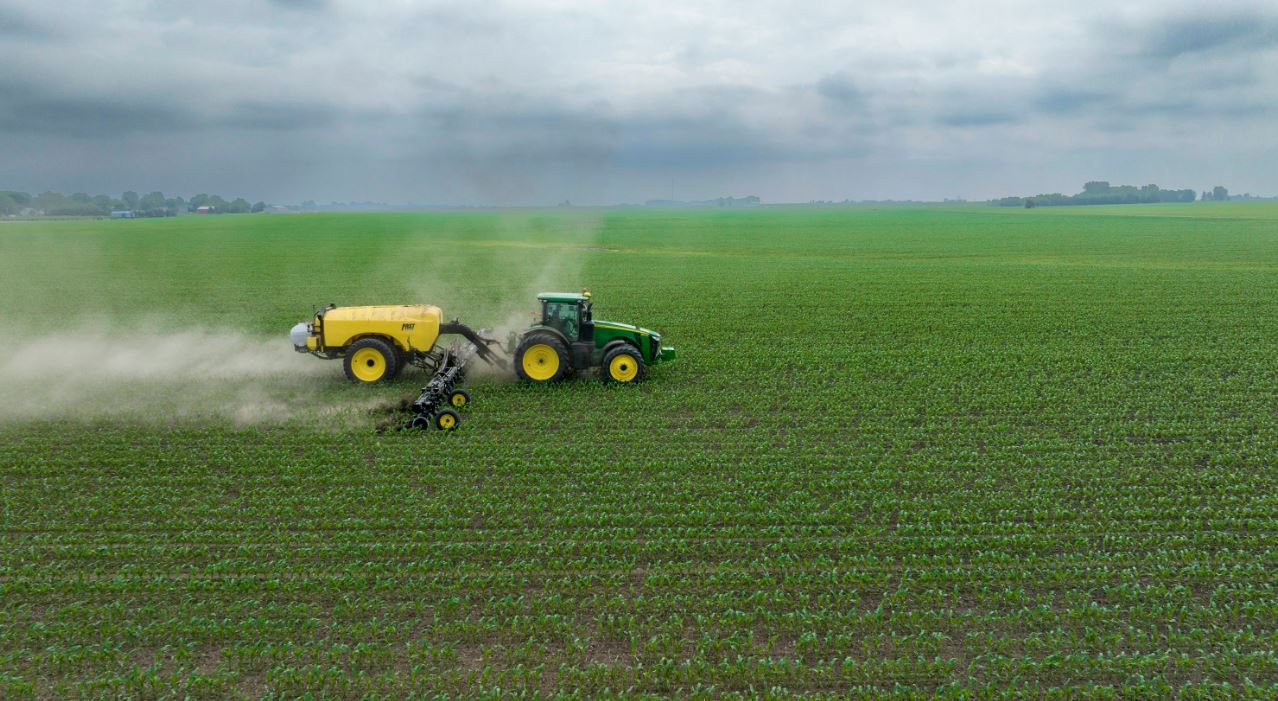
Farm Robotics Are Redefining the Future of Agriculture Through Automation, Precision, and Sustainability
The Rise of Intelligent Machines in Agriculture
Agriculture has always been shaped by innovation, from the wooden plow to the mechanical tractor. Today, the next great transformation is being driven by robotics. Farm robotics represents a fusion of mechanical engineering, artificial intelligence, and environmental science, designed to address the pressing challenges of food security, labor shortages, and sustainability. These machines are not mere tools of convenience. They are intelligent systems capable of perceiving their surroundings, making decisions, and performing complex agricultural tasks with minimal human intervention. As global populations grow and the demand for food increases, robots are becoming the new workforce of the farm, revolutionizing how we plant, harvest, and manage the land.
Unlike industrial robots confined to factories, farm robots must navigate unpredictable environments filled with obstacles, weather variations, and living organisms. This requires a blend of sensory technology, mobility, and adaptability. Whether they are autonomous tractors, robotic weeders, or drone-assisted harvesters, these systems rely on advanced algorithms and real-time data to function efficiently. They analyze soil conditions, detect crop health, and execute tasks with precision that surpasses human capability. In this way, robotics does not replace the farmer but augments their skills, transforming agriculture into a data-driven, efficient, and environmentally conscious enterprise.
A Historical Journey Toward Automation
The concept of automating farm labor dates back centuries, long before modern robotics emerged. The industrial revolution introduced the first wave of mechanization, replacing manual labor with steam and gasoline-powered machinery. The twentieth century brought tractors, combine harvesters, and irrigation systems that dramatically improved productivity. Yet, these machines still relied heavily on human operation. True autonomy remained a distant dream. The digital revolution of the late twentieth and early twenty-first centuries changed this landscape entirely. With the advent of computer vision, machine learning, and GPS technology, automation took a leap from mechanical to intelligent systems.
The earliest experiments in farm robotics began in research institutions during the 1980s, focusing on vision-guided harvesting and robotic planting. Progress was slow due to limited computing power and sensor accuracy. However, as processors became faster and sensors more affordable, the idea of autonomous machines working alongside humans became viable. Today’s robots are equipped with LiDAR sensors, artificial intelligence, and real-time communication systems that allow them to operate independently over large areas. The evolution of automation in agriculture mirrors the broader technological shift in society, where artificial intelligence and robotics are reshaping every aspect of human industry and interaction.
Types of Farm Robots and Their Roles in Modern Agriculture
Farm robots come in many forms, each tailored to specific agricultural tasks. Autonomous tractors are among the most advanced, capable of plowing, planting, and cultivating fields without human drivers. They use GPS-guided navigation and machine learning to adjust speed, direction, and implement depth based on soil conditions. Similarly, robotic planters ensure uniform seed placement and optimize resource use. Smaller robots, often referred to as swarm robots, perform targeted operations such as weeding or fertilization across large areas. By working collectively, these compact machines can manage complex tasks efficiently while minimizing energy consumption.
Harvesting robots are another crucial development. Equipped with cameras and sensors, these robots identify ripe produce, determine the best harvesting angle, and gently pick fruits or vegetables without causing damage. Drones serve as aerial robots that provide a bird’s-eye view of fields, assisting with crop monitoring, irrigation management, and pesticide application. Some robots specialize in livestock management, automating feeding, milking, and health tracking for animals. Each of these systems contributes to the creation of a fully integrated digital farm, where human oversight focuses on planning, analysis, and long-term strategy rather than physical labor.
Technological Foundations of Farm Robotics
The capabilities of modern farm robots are rooted in a combination of technologies that work in harmony. Sensors are the most fundamental, providing the robot with a perception of its environment. These include visual cameras, infrared detectors, ultrasonic range finders, and LiDAR systems that create three-dimensional maps of the terrain. By processing this data, robots can identify obstacles, classify crops, and determine soil characteristics. Machine vision, powered by artificial intelligence, enables robots to distinguish between healthy plants and weeds or detect the onset of disease through subtle color variations invisible to the human eye.
Artificial intelligence and machine learning algorithms form the brain of these machines. They process massive amounts of data collected from sensors and use it to make informed decisions. For example, a robot equipped with predictive models can estimate crop yield or identify optimal irrigation schedules based on weather patterns. Connectivity technologies such as the Internet of Things link these robots to centralized systems where data is analyzed and shared across the farm. Cloud computing provides the computational power required for real-time analytics, while edge computing allows immediate decision-making in the field. Together, these technologies give farm robots autonomy, intelligence, and efficiency, allowing them to operate with minimal human oversight.
Precision, Productivity, and Sustainability
The primary advantage of farm robotics lies in their precision. Traditional farming often relies on uniform practices that do not account for variations in soil composition, crop health, or moisture levels. Robots, on the other hand, use data to tailor actions to the specific needs of each plant or section of land. This precision reduces waste, lowers input costs, and enhances yield. Automated irrigation systems deliver water directly to plant roots, minimizing evaporation and runoff. Robotic weeders remove unwanted plants mechanically or through targeted micro-spraying, eliminating the need for broad-spectrum herbicides.
In terms of productivity, robots can work continuously without fatigue. They operate day and night, under conditions that would challenge human workers. This capability is especially valuable during labor shortages or peak seasons. Furthermore, robotic systems can handle repetitive and dangerous tasks safely, improving overall workplace conditions. The sustainability benefits are equally significant. Robots enable farmers to use fewer resources while maintaining or increasing output. By collecting continuous environmental data, they also help track carbon emissions, soil fertility, and biodiversity indicators, supporting climate-smart farming practices that align with global sustainability goals.
Economic Implications and Market Growth
The economic potential of farm robotics is immense. As the cost of hardware and software continues to decline, the adoption of automation is expanding rapidly. Analysts predict that the global market for agricultural robotics will surpass tens of billions of dollars within the next decade. This growth is driven by multiple factors: the need to feed a growing global population, the decline in agricultural labor availability, and the increasing demand for precision and sustainability. Large agribusinesses are leading the way in implementing robotic technologies, but smaller farms are beginning to benefit from modular and cost-effective solutions as well.
While the initial investment in robotic systems can be significant, the long-term returns are substantial. Reduced labor costs, increased yields, and more efficient use of inputs quickly offset the expenses. The scalability of these systems also makes them attractive for various farming contexts, from small vegetable operations to vast grain fields. However, economic transformation brings social implications. Automation can disrupt traditional labor structures, creating new opportunities for skilled technicians and data analysts while reducing demand for manual workers. Policymakers and educational institutions must ensure that this transition is equitable and inclusive, preparing rural communities for the new digital agricultural economy.
Challenges and Barriers to Robotic Integration
Despite its promise, farm robotics faces several challenges that hinder widespread adoption. The complexity of agricultural environments makes it difficult to design systems that function reliably under all conditions. Uneven terrain, unpredictable weather, and biological variability pose significant engineering challenges. Cost remains another obstacle, especially for small-scale farmers who may lack access to financing or technical support. Interoperability between different robotic systems is also a concern, as proprietary technologies can limit integration across platforms.
Furthermore, the transition to robotics requires a new set of skills. Farmers must become proficient in data interpretation, software operation, and system maintenance. This shift calls for comprehensive training and education programs that bridge the gap between traditional agricultural practices and digital technology. Ethical and regulatory issues also arise regarding data ownership, privacy, and environmental safety. Ensuring that robotic systems operate responsibly and transparently is essential for gaining public trust. Overcoming these barriers will require collaboration among engineers, agronomists, policymakers, and farmers to create inclusive frameworks that support innovation without marginalizing smaller producers.
Human-Robot Collaboration on the Farm
Contrary to the misconception that robots will replace farmers, the future of agriculture lies in collaboration between humans and machines. Farm robotics is not about removing people from the process but enhancing their capabilities. Robots handle repetitive and precise tasks, while humans focus on strategy, management, and creativity. This synergy improves both efficiency and decision quality. For example, a farmer can use data generated by robots to plan rotations, optimize supply chains, or experiment with new crop varieties. The human role evolves from manual laborer to data-driven manager and innovator.
Collaborative robots, or cobots, are specifically designed to work safely alongside humans. These systems combine mechanical precision with intuitive control interfaces, allowing operators to guide or adjust actions in real time. This partnership enhances productivity while preserving the human touch that remains vital in many agricultural contexts. In livestock management, cobots can monitor animal health while farmers focus on breeding and welfare strategies. By blending automation with human expertise, the farm becomes an ecosystem of cooperation where technology amplifies the farmer’s knowledge rather than replacing it.
The Future of Robotics in Sustainable Agriculture
The future of farm robotics extends beyond automation into the realm of sustainability and resilience. Emerging technologies such as autonomous swarms, biodegradable robots, and solar-powered systems promise to further reduce environmental impact. Swarm robotics, inspired by insect behavior, allows multiple small machines to work collectively, adapting dynamically to field conditions. Advances in artificial intelligence will continue to make robots more perceptive and self-learning, enabling them to handle increasingly complex agricultural ecosystems. Integration with renewable energy sources will ensure that these machines operate sustainably without contributing to carbon emissions.
Looking ahead, robotics will play a central role in global food security. They will help farmers adapt to climate variability, restore degraded lands, and optimize limited resources. However, technology alone cannot shape the future of agriculture. The true potential of robotics lies in how humanity chooses to apply it. When guided by ethics, inclusivity, and ecological awareness, robotics can lead to a new era of abundance and balance. The machines in the meadow will not replace the farmer’s hands but will extend their reach, cultivating a world where innovation and nature thrive together in harmony.