

Feeding the Planet Together
Understanding the Complex Web of Global Food Systems and Their Role in Shaping the Future of Humanity
The Structure and Scope of Global Food Systems
Global food systems represent the intricate network of production, processing, distribution, consumption, and waste management that feeds the world. They connect farmers, industries, governments, and consumers through a vast chain of economic and ecological relationships. From the rice paddies of Southeast Asia to the grain fields of North America, this system influences not only what people eat but also how they live. It embodies the intersection of agriculture, technology, trade, and culture, making it one of the most complex systems humanity has ever created. Understanding its structure is vital to addressing the challenges of hunger, climate change, and sustainability.
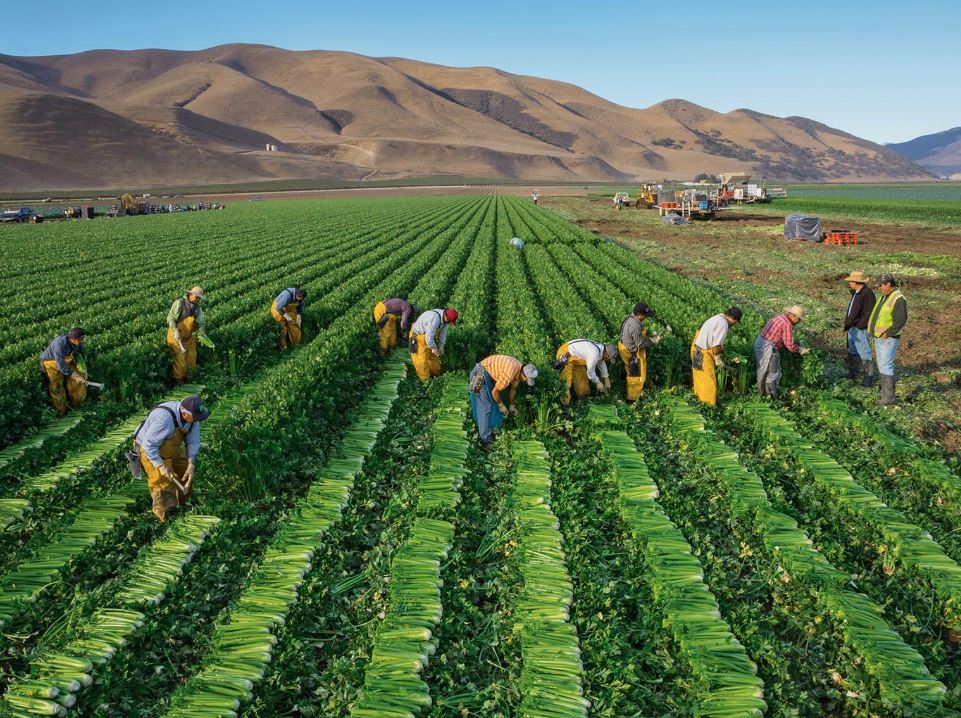
At the foundation of this system are the farmers and rural communities who cultivate crops and raise livestock. Their productivity and resilience determine the flow of raw materials that feed into global markets. Beyond the farm, the food chain includes processors, transporters, retailers, and consumers, all linked by policies, technologies, and international trade agreements. Each stage adds value but also introduces vulnerabilities. A drought in one region or a trade dispute between two countries can ripple across the entire world, affecting prices and availability. This interdependence defines the strength and fragility of the global food system.
Historical Evolution of Global Food Networks
The history of global food systems mirrors the story of civilization itself. Early societies depended on local ecosystems, growing what the land could support. Trade routes such as the Silk Road gradually expanded access to spices, grains, and livestock from distant regions, laying the foundation for international exchange. The age of exploration and colonialism transformed these exchanges into global supply chains, often at the expense of indigenous food traditions. Crops like maize, potatoes, and sugarcane became global commodities, reshaping diets and economies across continents.
The industrial revolution intensified this transformation. Mechanization and chemical fertilizers increased yields, while railways and steamships made long-distance transport more efficient. The twentieth century’s Green Revolution further expanded productivity, introducing high-yield varieties and modern irrigation techniques. Yet, this progress came with costs, including soil degradation, dependence on fossil fuels, and reduced biodiversity. Today’s global food system is the culmination of centuries of innovation and imbalance, where abundance coexists with hunger and technological advancement meets ecological decline. Recognizing this history helps explain the structural inequalities that still persist in food distribution and access.
The Role of Trade and Globalization
Globalization has made food systems more interconnected than ever before. Nations rely heavily on imports and exports to meet their dietary needs, making international trade essential for food security. Countries like Brazil and the United States serve as major exporters of grains, while others depend on imports to feed their populations. This interdependence creates both opportunity and risk. On one hand, it enables diversity of diets and economic growth. On the other, it increases vulnerability to disruptions caused by conflicts, pandemics, or transportation bottlenecks.
Trade policies and tariffs play critical roles in shaping global food flows. Subsidies for agricultural producers in wealthy nations can distort markets, making it difficult for farmers in developing regions to compete. Meanwhile, logistical systems such as shipping routes and cold chains determine how efficiently food reaches consumers. The COVID-19 pandemic revealed how fragile these supply networks can be when borders close or production halts. To make globalization more resilient, food systems must prioritize equitable trade practices, regional cooperation, and infrastructure that supports both efficiency and fairness.
Climate Change and Environmental Pressures
Climate change has become one of the most significant forces influencing global food systems. Rising temperatures, shifting rainfall patterns, and extreme weather events threaten food production worldwide. Droughts reduce crop yields, floods destroy infrastructure, and pests spread into new regions. Coastal areas face soil salinization as sea levels rise, while melting glaciers reduce freshwater availability. These environmental pressures affect every link in the food chain, from production to consumption.
Farmers in vulnerable regions are often the first to experience the impact. They face declining productivity even as global demand for food continues to grow. Adapting to these changes requires innovation in sustainable agriculture, such as crop diversification, soil regeneration, and efficient water management. International cooperation is essential, since no country can address climate challenges alone. Food systems must evolve to become both climate-resilient and environmentally restorative, integrating renewable energy and ecological farming into their operations. Sustainability is not a choice but a necessity for survival in a changing world.
Technology and Innovation in Food Systems
Technology is redefining every aspect of food systems, from production to consumption. Precision agriculture uses data analytics, sensors, and artificial intelligence to optimize crop management and reduce waste. Drones monitor fields, measuring plant health and soil moisture. Satellite imagery helps predict weather patterns and track deforestation linked to agricultural expansion. These innovations make farming more efficient and less harmful to the environment. Biotechnology also contributes through the development of improved crop varieties that can resist disease or thrive in adverse conditions.
In urban areas, food systems are evolving through innovations such as vertical farming and hydroponics. These methods allow food to be grown closer to consumers, reducing transportation costs and emissions. Blockchain technology enhances traceability, ensuring food safety and transparency in the supply chain. Meanwhile, mobile apps connect farmers directly to markets, empowering them to negotiate fairer prices. The challenge lies in ensuring that technology remains accessible to all, especially small-scale farmers in developing countries. Equitable access to innovation is the key to building inclusive and resilient food systems for the future.
The Human Dimension of Food Security
At its core, the global food system exists to serve people. Yet, hunger and malnutrition persist despite record levels of production. According to international organizations, hundreds of millions of people suffer from chronic food insecurity, while others consume diets that contribute to obesity and health problems. This paradox reflects the inequality embedded in global systems of distribution and consumption. Wealthier populations often waste food or overconsume, while poorer communities struggle to meet basic nutritional needs.
Addressing this imbalance requires focusing on food justice, which emphasizes equitable access to healthy and culturally appropriate food. Governments and organizations must ensure that social safety nets, fair wages, and inclusive policies are in place. Education also plays a vital role, helping consumers understand the value of nutrition and sustainable consumption. Food security is not only about calories but also about dignity, health, and opportunity. When food systems prioritize people over profit, they become engines of human development and stability.
Economic Dynamics and Power Structures
Economic systems shape how food is produced and distributed. Large corporations control significant portions of the agricultural market, from seeds to retail. This concentration of power often limits competition and reduces the autonomy of small farmers. Global food prices are influenced by speculation and currency fluctuations, creating uncertainty for both producers and consumers. In many regions, farmers receive only a small fraction of the final retail price of their products, highlighting the inequities in the value chain.
Reforming economic structures within food systems involves promoting fair trade practices, supporting cooperatives, and enforcing antitrust regulations. Strengthening local and regional food markets helps retain value within communities. Inclusive financial models, such as microcredit and cooperative ownership, can empower farmers and small businesses. Diversifying ownership and reducing dependence on monopolistic corporations are crucial steps toward building food systems that are democratic and sustainable. Economic equity ensures that prosperity is shared across the entire chain, not concentrated at the top.
Cultural and Social Dimensions of Food
Food systems are not purely economic or technical. They are deeply cultural and social, shaping traditions, identities, and ways of life. Every meal carries a story, from the methods of cultivation to the rituals of preparation. Globalization has enriched culinary diversity but also threatened local food traditions through homogenization. Fast food chains and processed products often replace traditional diets, leading to a loss of cultural heritage and nutritional balance. Preserving local cuisines and farming methods is essential for cultural resilience and environmental sustainability.
Community-based food initiatives, such as local farmers’ markets and cooperatives, help rebuild connections between producers and consumers. They reinforce the value of food as a shared experience rather than a mere commodity. Education about traditional knowledge and indigenous practices can also inspire new models of sustainable agriculture. Social relationships built around food contribute to community strength and collective well-being. In this way, food systems become instruments not only of sustenance but also of cultural preservation and unity.
The Future of Global Food Systems
The future of global food systems depends on how well humanity can balance growth with equity and sustainability. The challenges are immense, but the opportunities are equally profound. Food systems must evolve into circular, regenerative models that respect ecological boundaries and human rights. This means reducing waste, cutting emissions, and ensuring fair compensation for all participants in the chain. It also means rethinking consumption patterns to align with environmental and ethical values.
International collaboration is essential for this transformation. Governments, corporations, scientists, and citizens must work together to design policies that prioritize long-term well-being over short-term gains. The future of food is not only about technology or productivity. It is about harmony between people and the planet. Building resilient global food systems requires empathy, innovation, and a shared vision of nourishment that goes beyond survival. By nurturing both the earth and one another, humanity can create a future where every plate tells a story of balance, justice, and hope.