

Farms That Touch the Sky
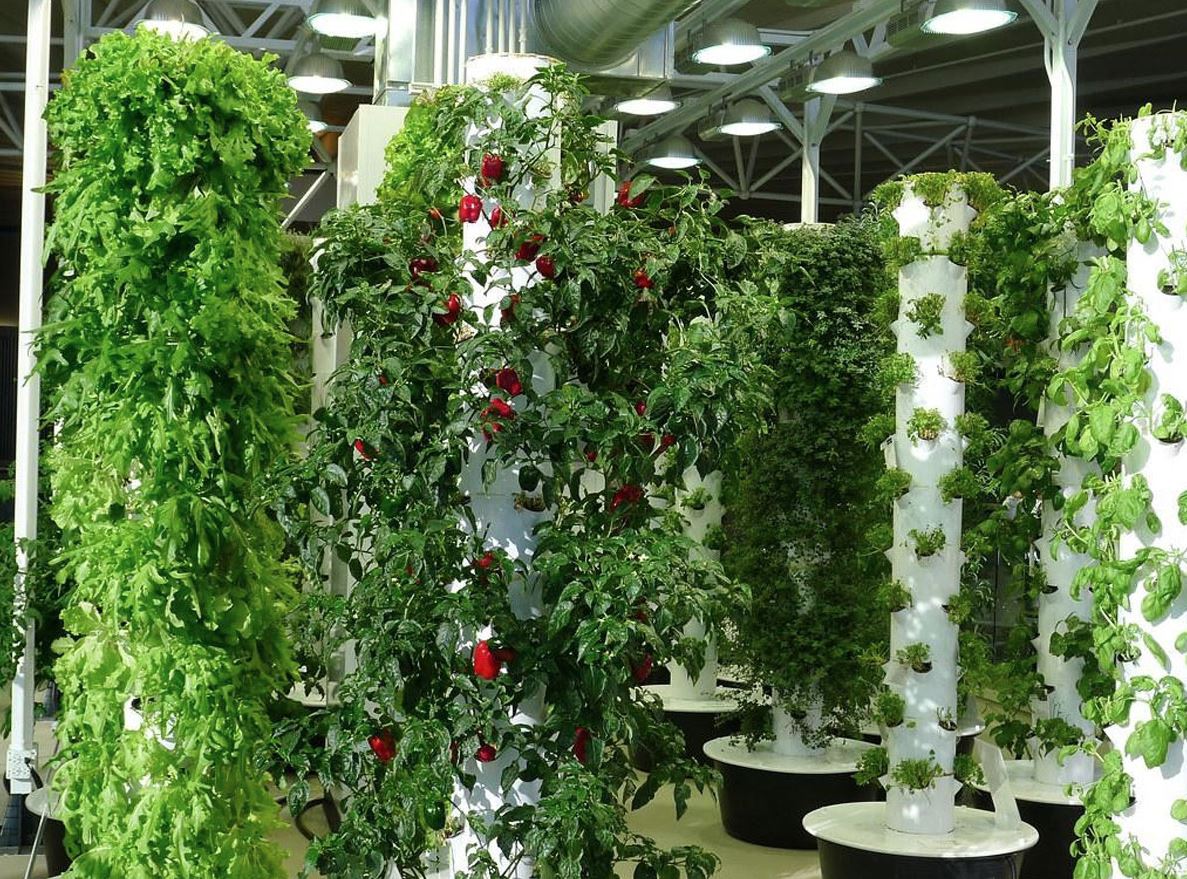
Exploring Science, Design, and Promise of Vertical Farming in the Modern World
The Vision Behind Vertical Farming
Vertical farming is redefining how humanity approaches agriculture. It represents a transformative idea that seeks to grow food upward instead of outward, using multi-level structures and controlled environments to produce crops year-round. The concept was first imagined by scientists and architects who envisioned cities that could feed themselves through high-rise farms. The idea gained traction in the early twenty-first century as rapid urbanization, climate change, and land scarcity forced agriculture to evolve. The goal of vertical farming is not just to produce more food, but to do so sustainably, efficiently, and in harmony with the environment.
Unlike traditional farming, which depends on vast fields and favorable weather, vertical farming uses technology to control every aspect of plant growth. Light, temperature, humidity, and nutrients are carefully managed to create optimal conditions for photosynthesis and development. This level of precision allows crops to grow faster and with less waste. The integration of renewable energy, automation, and hydroponic or aeroponic systems makes vertical farms both resilient and adaptive. It is an agricultural revolution built on science, architecture, and sustainability, bridging the gap between nature and technology.
The Structure and Design of Vertical Farms
Vertical farms are architectural feats that combine engineering with ecology. They can take the form of repurposed warehouses, skyscrapers, or modular containers stacked in urban areas. Each level of a vertical farm functions as a miniature ecosystem where crops are grown under artificial or supplemented light. LED lighting systems are calibrated to specific wavelengths that promote photosynthesis while minimizing energy use. This innovation allows farmers to fine-tune growth conditions to the needs of different crops, from leafy greens to strawberries.
Ventilation, irrigation, and nutrient delivery systems are integrated into the design to ensure uniform growth. Air circulation maintains temperature and carbon dioxide levels, while automated sensors monitor plant health in real time. Many vertical farms employ closed-loop water systems, which recycle and purify water continuously. The architectural layout not only optimizes space but also enhances efficiency, allowing the same area to produce up to one hundred times more food than a traditional field. These designs embody a future where agriculture is woven directly into the urban landscape.
Hydroponics, Aeroponics, and Aquaponics: The Core Technologies
Vertical farming depends on soil-free cultivation methods that maximize efficiency and resource control. The three most common technologies are hydroponics, aeroponics, and aquaponics. Hydroponics involves growing plants in a nutrient-rich water solution that delivers essential minerals directly to the roots. This system drastically reduces water usage compared to soil farming and allows precise control over nutrient concentrations. Hydroponics is ideal for leafy vegetables, herbs, and other fast-growing crops.
Aeroponics, on the other hand, suspends plant roots in the air and periodically sprays them with a fine mist containing water and nutrients. This method enhances oxygen exposure, resulting in faster growth and greater nutrient absorption. Aquaponics combines hydroponics with aquaculture, creating a symbiotic system where fish and plants support each other. Waste produced by the fish provides nutrients for the plants, while the plants purify the water for the fish. Together, these systems form the technological foundation of vertical farming, proving that plants can thrive without soil and with minimal waste.
The Role of Artificial Lighting and Energy Efficiency
Light is the driving force of plant life, and in vertical farms, it is engineered with precision. Artificial lighting replicates the natural spectrum of sunlight, ensuring plants receive consistent illumination regardless of weather or season. Light-emitting diodes, or LEDs, are the most commonly used technology due to their efficiency and versatility. They can emit specific wavelengths tailored to different growth stages, such as blue light for vegetative growth and red light for flowering and fruiting. This targeted approach improves yield and quality while conserving energy.
Energy consumption remains one of the biggest challenges for vertical farming. To address this, innovators are integrating renewable energy sources such as solar panels and wind turbines into farm design. Some systems capture waste heat from nearby buildings to regulate temperature, while others employ smart grids to balance power usage. Advances in light technology, automation, and renewable integration are steadily reducing the environmental footprint of vertical farming. These developments bring the vision of self-sustaining, carbon-neutral farms closer to reality.
Water Conservation and Closed-Loop Systems
Water scarcity is one of the defining issues of modern agriculture, and vertical farming offers a solution through closed-loop systems. Unlike traditional farms that lose large amounts of water through evaporation and runoff, vertical farms recycle nearly all their water. In a hydroponic or aeroponic setup, unused water is collected, filtered, and recirculated, reducing waste by up to ninety-five percent. This approach is especially valuable in regions where freshwater resources are limited or contaminated.
In addition to conserving water, closed systems protect crops from pollution and pathogens. The controlled environment ensures that water remains clean, free from harmful chemicals or microorganisms. Nutrient delivery can be adjusted precisely, providing each plant with the right amount of nourishment at every stage of growth. This efficiency translates to higher yields and lower operational costs over time. Water recycling is not just a technological feature; it represents a philosophy of sustainability that defines the essence of vertical farming.
Automation and the Role of Artificial Intelligence
Automation is the backbone of vertical farming, allowing complex operations to function smoothly with minimal human intervention. Robotic systems plant, monitor, and harvest crops with exceptional accuracy. Sensors continuously collect data on light, temperature, humidity, and nutrient levels, while artificial intelligence analyzes this information to optimize conditions. AI can detect early signs of disease, nutrient imbalance, or mechanical failure, enabling farmers to address issues before they affect yield.
Machine learning algorithms also help predict outcomes based on historical data, refining production cycles and resource management. Automated conveyors and drones handle logistics, moving trays of crops through different stages of growth or packaging. This integration of robotics and intelligence transforms farming into a high-tech ecosystem that operates around the clock. It reduces labor costs, improves consistency, and ensures that every plant receives ideal care. Automation embodies the harmony between human ingenuity and technological advancement that defines the modern agricultural revolution.
Urban Integration and Food Security
Vertical farming is a cornerstone of urban agriculture, bringing food production directly into cities. By growing food near consumers, it shortens supply chains, reduces transportation emissions, and ensures freshness. In densely populated regions, vertical farms can be established in abandoned warehouses, rooftops, or custom-built towers. This proximity to consumers transforms cities into self-sustaining ecosystems capable of producing their own food supply. It also reduces dependence on rural land, which can be reserved for natural habitats and biodiversity conservation.
Food security is another critical aspect of vertical farming. As the global population continues to rise, traditional farmland is shrinking due to urban expansion and environmental degradation. Vertical farming provides a way to meet growing demand without further straining natural resources. It allows nations to produce food locally, even in environments where soil quality or climate conditions are unsuitable for agriculture. By decentralizing food production, vertical farming strengthens resilience against global disruptions, ensuring a stable food supply for future generations.
Economic and Environmental Impacts
The economic implications of vertical farming are vast and complex. While the initial investment can be significant, long-term returns often justify the cost. The ability to produce food year-round with minimal waste creates stable revenue streams and reduces dependency on seasonal cycles. Vertical farms generate employment in technology, logistics, and design, fostering innovation in urban economies. As infrastructure improves, the cost of equipment and energy continues to decrease, making this form of agriculture more accessible to small entrepreneurs and communities.
Environmentally, vertical farming represents a major step toward sustainable food production. By eliminating soil cultivation and pesticide use, it reduces land degradation and chemical runoff. Controlled environments also prevent pests and diseases, reducing the need for harmful interventions. The integration of renewable energy and efficient lighting systems minimizes carbon emissions. In the long term, the widespread adoption of vertical farming could significantly reduce agriculture’s ecological footprint, paving the way for a cleaner and more resilient planet.
Education, Research, and Community Involvement
Beyond production, vertical farming serves as a platform for education and innovation. Universities and research institutions use vertical farms to study plant biology, resource optimization, and sustainable technologies. These studies advance understanding of how plants respond to different environmental conditions, contributing to global agricultural knowledge. Schools and community centers also embrace vertical farming as a tool for teaching sustainability and nutrition. Students gain hands-on experience growing food, learning about ecosystems, and understanding the importance of environmental stewardship.
Community-based vertical farms strengthen local engagement and food sovereignty. Urban residents can participate in small-scale projects that bring fresh produce to underserved neighborhoods. Such initiatives not only improve access to healthy food but also foster cooperation and awareness of sustainable living. By integrating research, education, and community action, vertical farming transcends its role as a production method and becomes a movement toward ecological and social renewal.
The Future of Vertical Agriculture
The future of vertical farming lies in continuous innovation and global collaboration. Advances in biotechnology, renewable energy, and artificial intelligence will further enhance efficiency and scalability. Researchers are exploring new plant varieties optimized for indoor environments, capable of producing more nutrition per unit of energy. Integration with renewable grids and urban planning will transform entire districts into living, breathing agricultural hubs. These developments will make vertical farming not just an alternative, but a cornerstone of sustainable food systems.
Ultimately, vertical farming represents a new vision of coexistence between humanity and nature. It embodies the belief that cities can become self-sufficient, green, and resilient. As populations grow and resources become scarcer, vertical farming offers a path toward abundance without destruction. It reminds us that innovation is not only about progress but about balance. The farms that rise toward the sky symbolize a future where technology and ecology grow together, ensuring nourishment for both people and the planet.